Kamiya: Game Leakers Deserve Never to Play Games Again
The gaming world is no stranger to passionate declarations from its most iconic figures, but few have resonated with such raw intensity as the recent comments from industry veteran Hideki Kamiya. Known for his directorial prowess on seminal titles like *Resident Evil 2*, *Devil May Cry*, and *Okami*, Kamiya recently unleashed a torrent of condemnation against those responsible for leaking details about upcoming games. His fiery stance, particularly concerning the highly anticipated *Resident Evil Requiem*, has ignited a fierce debate within the community, making "kamiya on game leaks" a trending topic and underscoring the deep emotional investment developers have in their creations.
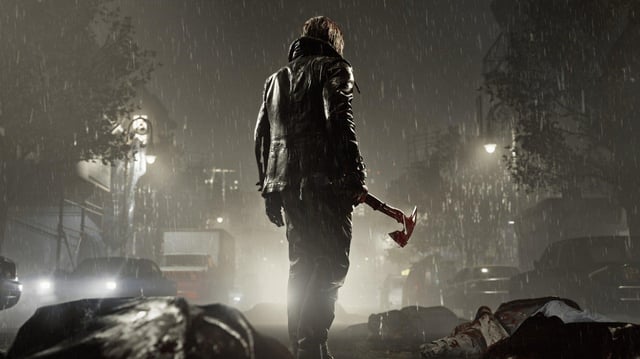
The catalyst for Kamiya’s extreme reaction was the unfortunate early dissemination of information regarding *Resident Evil Requiem*, ahead of its scheduled release on February 27, 2026. While Capcom itself has urged the community to avoid sharing spoilers and is pursuing legal avenues, it was Kamiya's personal response that truly encapsulated the creators' anguish. His pronouncements, which included wishing "a thousand deaths" upon leakers and cursing them to "never be able to play games again," might seem excessive at first glance. However, when viewed through the lens of a creator who has poured their life's work into crafting immersive experiences, his frustration becomes palpably understandable.
The Fury of a Gaming Icon: Kamiya's Vehement Stance on Leaks
Hideki Kamiya's reputation precedes him. A figure synonymous with groundbreaking action and horror titles, his words carry significant weight within the industry. His recent outburst regarding the *Resident Evil Requiem* leaks was not just a mere expression of disappointment; it was a deeply personal and visceral condemnation. "
For your own selfish satisfaction, you trampled on the feelings of the users who were looking forward to the game, as well as the feelings of the creators who put all their effort into making it," Kamiya stated. He continued, "
It's a despicable act that destroys the happiness of everyone, and deserves a thousand deaths... May you be cursed to never be able to play games again..."
While the raw translation might appear shockingly harsh, the underlying sentiment is crystal clear: leaks represent a profound disrespect for the immense effort, creativity, and passion invested in game development. For Kamiya, it's not just about revealing plot points; it's about systematically dismantling the carefully constructed experience meant for players. Developers spend years meticulously crafting narratives, designing gameplay mechanics, and perfecting every visual and auditory detail. A leak, whether through broken street dates allowing early access to physical copies or deliberate data mining, undermines this entire process, snatching away the magic of discovery from millions of eager fans. This deep-seated frustration reveals a fundamental clash between the immediate gratification sought by leakers and the long-term, carefully curated joy intended by creators. Such passionate defense of the creative process is further explored in
Kamiya's Strong Stance: Leaks Destroy Creator & Player Joy.
Beyond the Spoilers: The Deep Impact on Players and Creators
The immediate consequence of a game leak is obvious: spoilers. For many gamers, the anticipation leading up to a major release is a significant part of the enjoyment. Debating theories, watching trailers, and speculating about plot twists build a communal excitement that is irrevocably shattered when key details are revealed prematurely. Imagine waiting years for a story's conclusion, only for it to be spoiled on social media days before you can experience it firsthand. This "trampling on the feelings of users," as Kamiya puts it, diminishes the collective joy and sense of wonder that game releases typically foster.
But the impact extends far beyond player disappointment. For game developers, leaks are a devastating blow.
-
Emotional Toll: Years of dedication, sleepless nights, and countless sacrifices go into making a game. To see that hard work exploited and prematurely exposed for "selfish satisfaction" can be incredibly disheartening and demotivating. It’s akin to an artist’s masterpiece being defaced before its grand unveiling.
-
Creative Control: Developers meticulously plan the pacing of reveals, the flow of narrative, and the impact of surprises. Leaks wrest this creative control away, presenting incomplete or decontextualized information that can misrepresent the final product.
-
Marketing Disruption: Publishers invest heavily in carefully orchestrated marketing campaigns designed to build hype and guide player expectations. Leaks can disrupt these strategies, forcing unplanned responses and potentially altering consumer perception negatively.
-
Financial Implications: While harder to quantify directly, negative sentiment generated by leaks or the need for emergency marketing adjustments can indirectly impact sales or long-term engagement.
Kamiya’s emphasis on "destroying everyone's happiness" highlights the collective loss – not just for the individual player whose experience is spoiled, but for the entire ecosystem of creators, publishers, and the wider gaming community who thrive on shared excitement and discovery.
A Historical Precedent and the Future of Game Secrecy
Kamiya's frustration isn't new, nor is it isolated to *Resident Evil Requiem*. He explicitly referenced a similar incident during the development of *Biohazard 2* (the original Japanese title for *Resident Evil 2*), recalling how its "late-game twist was completely spoiled by some weekly photo magazine." This historical context adds depth to his recent outburst, revealing a long-standing grievance that predates the digital age.
However, the landscape of leaks has drastically evolved since the era of print magazines. While physical copies making their way into players' hands ahead of schedule (often due to "broken street dates") still contributes to leaks, the internet has amplified their reach and speed exponentially. Social media platforms, forums, and streaming services can disseminate spoilers globally within minutes, making containment incredibly challenging. This digital acceleration of information spread presents an ongoing battle for publishers and developers.
Moving forward, the industry faces a perpetual challenge in balancing secrecy with promotional efforts. Digital distribution has largely mitigated issues with physical street dates, but it introduces new vulnerabilities like data mining or early access granted to reviewers/influencers. Companies like Capcom, by asking the community not to share spoilers and pursuing legal action, are fighting on multiple fronts. The future will likely see even more stringent security measures, coupled with a continued reliance on community goodwill and ethical reporting from gaming media.
Navigating the Minefield: Tips for Avoiding Spoilers and Protecting the Experience
For players eager to experience games like *Resident Evil Requiem* as intended, protecting oneself from spoilers has become an essential skill. While Kamiya's intense sentiments focus on the leakers themselves, the community also plays a vital role in preventing the spread of ruined experiences.
Here are some practical tips for gamers to navigate the pre-release period:
-
Mute Keywords on Social Media: Platforms like Twitter and Instagram allow you to mute specific words or hashtags. Utilize this feature for the game's title, character names, or common spoiler terms.
-
Unsubscribe from Potentially Risky Channels: Temporarily unsubscribe from YouTube channels, Reddit subreddits, or Discord servers known for posting leaks or speculating heavily.
-
Be Wary of YouTube Thumbnails and Titles: Even if you manage to avoid written spoilers, aggressive YouTube algorithms can push videos with spoiler-filled thumbnails or titles into your feed. Avoid browsing YouTube directly if you're particularly sensitive.
-
Go "Dark" in the Days Leading Up to Release: For truly anticipated titles, consider a digital detox or limiting your online activity in relevant communities during the final 48-72 hours before launch.
-
Stick to Official Channels: Follow the game's official social media accounts and news sites. These are typically safe havens for information delivery, providing updates without revealing crucial plot points.
Beyond individual actions, the wider gaming community holds a collective responsibility. Reporting spoiler content, refraining from sharing leaked information, and fostering a culture of respect for creative works are crucial steps. For a deeper dive into the emotional intensity behind Kamiya's recent comments, read
Hideki Kamiya's Extreme Fury Over Resident Evil Requiem Leaks.
Conclusion
Hideki Kamiya’s impassioned tirade serves as a stark reminder of the profound emotional and professional investment that goes into creating video games. His call for leakers to "never play games again" underscores a fundamental belief that the act of spoiling not only disrespects the creators' efforts but also diminishes the joy for fellow players. As the gaming world eagerly awaits titles like *Resident Evil Requiem*, the ongoing battle against premature leaks will continue. Ultimately, Kamiya's strong stance isn't just about anger; it's a powerful plea for respect – respect for the artistry, the hard work, and the shared anticipation that makes the gaming experience so uniquely special. The future of gaming hinges not just on technological advancements, but on fostering a culture that values discovery and cherishes the journey of experiencing new worlds as they were intended.