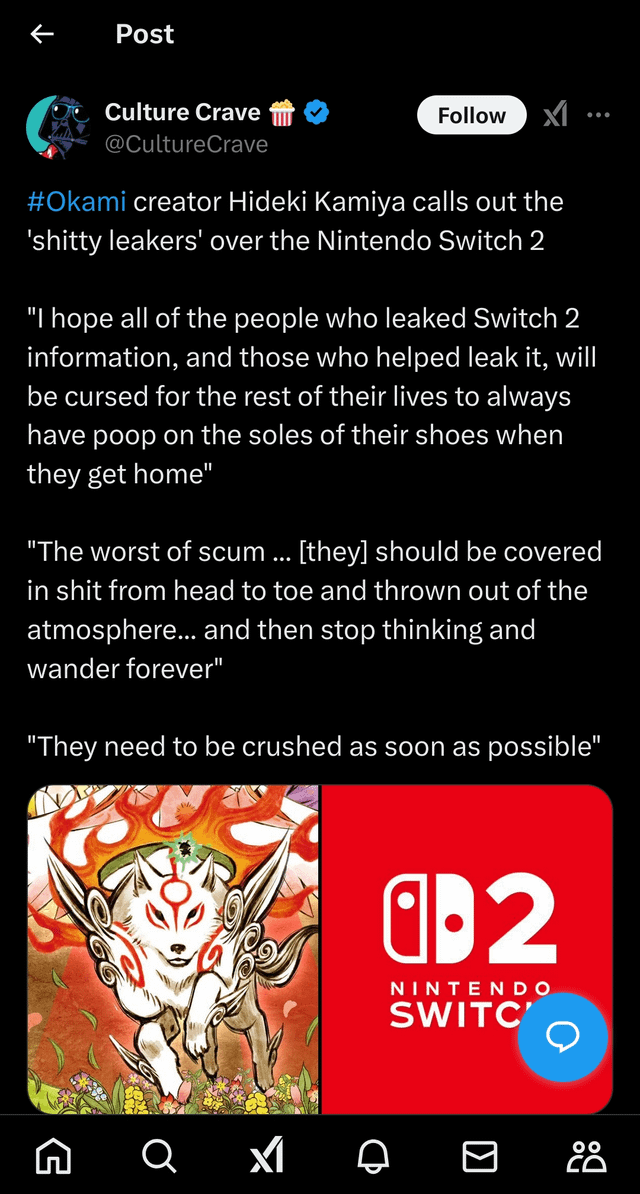
Kamiya's Strong Stance: Leaks Destroy Creator & Player Joy
The gaming world is no stranger to leaks. From early gameplay footage to crucial story revelations, the internet often serves as a double-edged sword, offering instantaneous access while simultaneously threatening the meticulously crafted experiences developers work years to perfect. Recently, the issue was brought into sharp focus by a legendary figure in the industry: Hideki Kamiya. Known for his visionary work on titles like Resident Evil 2, Devil May Cry, and Bayonetta, Kamiya's passion for games is undeniable. However, his recent, unequivocally furious comments regarding the leaks of Resident Evil Requiem have sent shockwaves through the community, offering a stark reminder of the emotional and professional toll such breaches take on creators and anticipating players alike. His direct and unfiltered statements provide a profound insight into the developer psyche, highlighting why for many, Hideki Kamiya's strong stance on game leaks is a reflection of a deeper frustration.
The upcoming release of Resident Evil Requiem, slated for February 27, 2026, has unfortunately fallen victim to premature exposure. Details about its story and gameplay have begun circulating online, largely due to broken street dates. While Capcom itself has appealed to the community to refrain from sharing spoilers and is pursuing legal avenues, the damage, as many feel, has already been done. It's against this backdrop that we examine Kamiya on game leaks, and the profound impact these incidents have.
The Core of Kamiya's Outrage: Destroying Joy and Effort
Hideki Kamiya's reaction to the Resident Evil Requiem leaks was anything but measured. Taking to social media, the esteemed director didn't mince words, expressing a sentiment that, while extreme in its phrasing, resonates deeply with many game developers. He wished "a thousand deaths" upon those who purposefully leak games and cursed them "to never be able to play games again."
While the language is certainly shocking, the underlying message is clear: the act of leaking a game is a profound violation. Kamiya drew a parallel to his past experience with Biohazard 2 (the Japanese title for Resident Evil 2), recalling how a weekly photo magazine completely spoiled its late-game twist. This historical context reveals a recurring pattern of frustration for creators. For Kamiya, leaks aren't just an inconvenience; they are a "despicable act that destroys the happiness of everyone."
He emphasized two critical points of harm:
- Trampling on Player Feelings: Enthusiastic players eagerly await new titles, building anticipation through trailers, teasers, and official reveals. Leaks shatter this delicate build-up, robbing them of the intended surprise and discovery. The first playthrough of a new game, especially one with a strong narrative like Resident Evil, is a unique, unrepeatable experience. Spoilers fundamentally alter this.
- Disrespecting Creator Effort: Developing a game is an arduous journey, often spanning years, involving hundreds of dedicated individuals pouring their skill, creativity, and personal time into a project. Every design choice, every story beat, every gameplay mechanic is meticulously crafted. To have that unveiled prematurely, often out of context, for "selfish satisfaction," is seen as a profound disrespect for their immense labor and passion.
This sentiment forms the crux of Kamiya on game leaks: it's not just about business; it's about the erosion of creative integrity and the shared joy between creators and their audience.
Beyond Extreme Language: Understanding the Creator's Perspective
It's easy to dismiss Kamiya's "thousand deaths" statement as overly dramatic. However, understanding the context of game development can help illuminate the depth of his frustration. Game creation is an art form, a collaborative masterpiece that requires intense dedication. Imagine an artist having their painting defaced just before its grand unveiling, or an author having their novel's ending published on the internet before its release date. This analogy captures the essence of a developer's anguish.
The reality is that leaks undermine years of strategic planning, marketing efforts, and the carefully orchestrated release cycle designed to maximize impact and player excitement. Publishers invest millions in creating hype, building a narrative around a game's release, and controlling the information flow to ensure players experience the story and mechanics as intended. A premature leak can:
- Diminish Launch Impact: Spoilers can deflate excitement, potentially affecting pre-orders and day-one sales as some players might feel the magic is gone.
- Undermine Marketing Campaigns: Reveal trailers, character introductions, and story beats are planned meticulously. Leaks can pre-empt these, making official reveals feel redundant or anticlimactic.
- Damage Morale: Developers pour their hearts into these projects. Seeing their work spoiled can be deeply disheartening, affecting team morale and future creative output.
While Capcom's official response focuses on legal action and community appeals, Kamiya's outburst highlights the raw, emotional toll on the individuals who pour their lives into these creations. His language, however extreme, serves as a visceral cry from the heart of a creator who feels deeply wronged by acts that prioritize fleeting personal gain over collective enjoyment and respect for artistic endeavor. This powerful stance reinforces why Kamiya's words resonate so strongly in discussions about ethical conduct within the gaming community.
The Ripple Effect: How Leaks Harm Everyone
The impact of leaks extends far beyond the immediate anger of developers. It creates a ripple effect that touches every stakeholder in the gaming ecosystem:
For Players:
- Spoiled Surprises: The most obvious impact. Narrative twists, character reveals, and major gameplay innovations lose their potency when encountered prematurely online. This diminishes the sense of wonder and discovery, which is a core part of the gaming experience.
- Fractured Community Discussions: Online communities become battlegrounds between those who have seen spoilers and those desperately trying to avoid them. This can lead to frustration, isolation, and a less enjoyable pre-release period.
- Altered Expectations: Leaks often provide partial, out-of-context information, which can lead to misinterpretations or build unrealistic expectations, ultimately souring the actual game experience.
Practical Tip for Players: To avoid spoilers, consider muting keywords related to upcoming games on social media. Temporarily unfollow gaming news accounts you suspect might inadvertently share leaked content, and be wary of comments sections on YouTube and Reddit. Prioritize official channels for information until you've played the game yourself.
For Developers and Publishers:
- Financial Impact: While hard to quantify precisely, diminished hype due to widespread spoilers can translate to reduced pre-orders and lower launch sales.
- Morale and Burnout: The emotional toll on development teams cannot be overstated. Seeing years of work casually exposed can lead to feelings of betrayal and demotivation.
- Loss of Control Over Narrative: Developers lose the ability to control how their game is first introduced to the world, impacting their artistic vision and marketing strategy.
For Gaming Media and Content Creators:
- Navigating Ethical Dilemmas: Reputable gaming outlets face the challenge of reporting on leaks without actively spoiling content, often having to decide what information is permissible to share.
- Managing Community Expectations: Content creators struggle to produce spoiler-free content while still engaging with the intense community discussion surrounding leaked information.
The collective sentiment behind Kamiya's extreme words about game leakers highlights a critical vulnerability in the modern interconnected world, where the pursuit of a fleeting scoop can dismantle countless hours of dedicated work and dampen widespread enthusiasm.
The Ethics of Leaking: A Moral Crossroads
The motivations behind leaks can vary, from accidental early access due to broken street dates to malicious data breaches or individuals seeking internet fame. Regardless of the intent, the consequences often remain the same: damage to the creative process and the player experience.
While a retailer breaking a street date might be an organizational blunder, the act of an individual purposefully disseminating unreleased content is often driven by a desire for "clout" or "selfish satisfaction," as Kamiya articulates. This raises significant ethical questions:
- Respect for Intellectual Property: Game code, story elements, and designs are intellectual property. Leaking them is a breach of this fundamental right.
- Respect for Creative Labor: It trivializes the immense effort, skill, and passion poured into the game by hundreds of artists, programmers, writers, and designers.
- The Value of Discovery: Gaming thrives on discovery and shared experiences. Leaks erode this communal magic, transforming anticipation into avoidance.
Hideki Kamiya's passionate denouncement of leakers underscores a broader industry sentiment. While his words are stark, they serve as a powerful articulation of a creative industry's plea: respect the craft, respect the creators, and respect the players' right to experience games as intended. His strong stance is a call for a greater appreciation of the delicate balance between rapid information sharing and the preservation of artistic integrity and genuine player joy.
Conclusion
Hideki Kamiya's intense reaction to the Resident Evil Requiem leaks provides a raw, unfiltered look into the heart of a game creator. His words, though extreme, are a powerful testament to the emotional investment and meticulous effort poured into every title. Leaks are not merely minor inconveniences; they are acts that undermine years of dedicated work, shatter the anticipation of eager players, and erode the magic of discovery that makes gaming so special. As the industry continues to evolve and the internet provides ever more avenues for information sharing, the debate around the ethics of leaking will only intensify. Ultimately, Kamiya's stance is a poignant reminder for us all to value and protect the creative journey, allowing both creators and players to experience the joy of a game's unveiling as it was truly intended.